


Unveiling the Power of Fiber: The Forgotten Nutrient for Better Health

Fiber often slips under the radar when people think about nutrition. Yet, this key nutrient plays a crucial role in maintaining overall health. Many focus on vitamins, proteins, or fats, but fiber deserves equal attention. It supports heart health, aids weight loss, and prevents constipation, making it essential for a balanced diet. This post explores why fiber matters, how to include more of it in your meals, and how reading labels can help you make smarter choices.
What Makes Fiber a Key Nutrient?
Fiber is a type of carbohydrate that the body cannot digest. Unlike other carbs that break down into sugars, fiber passes through your digestive system mostly intact. This unique property allows it to provide several health benefits:
Supports heart health by lowering cholesterol levels and reducing blood pressure.
Helps with weight loss by promoting feelings of fullness, which can reduce overeating.
Prevents constipation by adding bulk to stool and speeding up its passage through the intestines.
Regulates blood sugar levels by slowing the absorption of sugar, which is helpful for people with diabetes.
Balances gut bacteria and prevents dysbiosis.
There are two main types of fiber: soluble and insoluble. Soluble fiber dissolves in water and forms a gel-like substance, which helps lower cholesterol and control blood sugar. Insoluble fiber adds bulk to stool and helps food move through the digestive system.
How Much Fiber Do You Need?
Most adults should aim for about 25 grams in the least but strive for 35 grams of fiber daily from food, not supplements. Unfortunately, many people consume only about half that amount. Increasing fiber intake through food reduces gas and bloating and feeds the good bacteria which helps us digest even better. When adding supplemental fiber in the form of powders or capsules do so gradually and is important to avoid digestive discomfort.
Practical Ways to Add More Fiber to Your Diet
Adding fiber doesn’t mean drastic changes. Small swaps and additions can make a big difference:
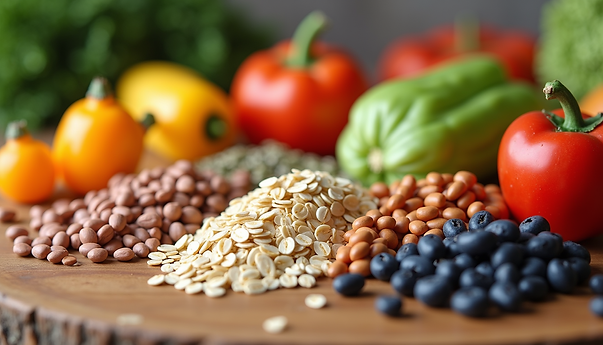
Choose whole grains like brown instead of white rice or even better ancient grains Ancient grains such as amaranth, einkorn, millet, barley, quinoa, farro, freekeh, wheat berries, buckwheat or bulgar.
Ancient grains are exceptionally healthy as they have largely been unmodified for thousands of years. More like the gluten we our bodies meant to consume.
Include legumes such as lentils, chickpeas, and black beans in salads, soups, or stews.
Snack on nuts, seeds, or fresh fruits like apples, pears, and berries.
Add vegetables to every meal, especially high-fiber options like broccoli, carrots, and Brussels sprouts.
Try steel cut oats, muesli, or high-fiber cereals for breakfast.
ALL organic if possible or at least non-GMO
The Importance of Reading Labels
We may look at labels for protein, carbs, fat or sugar, but when was the last time you looked at the label for fiber? If you are trying to decide between two products with similar labels & can't decide which one, consider the fiber content as the deciding choice. Understanding nutrition labels helps you identify fiber content in packaged foods. Look for products that list at least 3 grams of fiber per serving. Whole grain products usually have more fiber than their refined counterparts. When shopping, check for terms like “whole grain,” “bran,” or “fiber-rich” on the packaging. But don't let these terms fool you. Just because the front of the package has a fancy termed label, doesn't mean the fiber has not been refined right out of the final product.
Reading labels also helps avoid added sugars and unhealthy fats that can counteract the benefits of fiber-rich foods. For example, some cereals may be high in fiber but also loaded with sugar, which is not ideal for heart health or weight loss.
Even better, purchase items with no labels such as fresh vegetables and fruits or get your own grains from bulk dispenser bins such as high end grocers. Use one of the many apps available to determine the fiber content.

Fiber and Heart Health
Research shows that diets high in fiber reduce the risk of heart disease. Soluble fiber, in particular, helps lower LDL cholesterol, often called “bad” cholesterol. This effect supports better heart health by reducing plaque buildup in arteries.
Eating fiber-rich foods also helps control blood pressure and inflammation, two other factors linked to heart disease. For example, a study published in the American Journal of Clinical Nutrition found that people who consumed more fiber had a 15-30% lower risk of heart disease.
Fiber Improves Gut Bacteria & Reduces Dysbiosis

Dietary intake of fiber feeds the gut bacteria, increasing beneficial bacteria and reduces harmful, inflammatory bacteria. By doing so, fiber improves conditions such as inflammatory bowel disease and reduces colorectal cancers risk as much as 10% for each 10 grams of fiber intake.
Fiber’s Role in Weight Loss
Fiber can be a powerful ally for weight management. Because it slows digestion and adds bulk, fiber helps you feel full longer. This reduces the urge to snack between meals or overeat during meals.
Including fiber-rich foods in your diet can also improve metabolism and reduce fat accumulation. For instance, swapping white bread for whole grain bread or adding beans to your meals can help control calorie intake without feeling deprived.
Preventing Constipation with Fiber
Constipation affects many people and can cause discomfort and other health issues. Insoluble fiber adds bulk to stool and helps it move through the digestive tract more easily. Drinking plenty of water alongside fiber-rich foods enhances this effect.
If you experience constipation, increasing fiber gradually and staying hydrated can improve bowel regularity. Foods like prunes, flaxseeds, and whole grains are especially effective.
Be sure to drink about 1/2 your bodyweight in oz. of water gradually throughout the day (i.e., 180 lbs = 60 oz/day). Use an app or many smart devices have water reminders.
Tips to Avoid Common Fiber Mistakes
Increase fiber intake slowly to prevent bloating or gas.
Drink enough water to help fiber do its job.
Don’t rely on fiber supplements alone; whole foods provide additional nutrients.
Balance soluble and insoluble fiber for best results.
Final Thoughts on Fiber
If nothing else in this post has pursuaded you to consider increasing your fiber, consider this- A diet rich in fiber is associated with a reduced risk of dying from any health condition. So, do your body a favor and increase your fiber intake. Your body will thank you.
Here's to your health!

Bibliography
Jiongxing Fu, J. Z. (2022). Dietary Fiber Intake and Gut Microbiota in Human Health . Microorganisms. 2022 Dec 18;10(12):2507. doi: 10.3390/microorganisms10122507 , 10-22.
Staff, Mayo Clinic. (2025, December 24). Healthy Lifestyle-Nutrition and Healthy Eating. Retrieved from Mayo Clinic: https://www.mayoclinic.org/healthy-lifestyle/nutrition-and-healthy-eating/in-depth/fiber/art-20043983


