


Bone Density Screening: Why It Matters and How to Build Strong Bones for Life

Part 2 of 2- The Rest of the Story
Bone Health Starts in the Kitchen

Approximately 30–40% of bone consists of an organic matrix, primarily collagen, while 60–70% is mineralized with calcium and phosphorus. Without the proper al foundation, calcium has little framework on which to build strong bone.
Protein: The Foundation of Bone
Protein provides the collagen scaffold that gives bone flexibility and strength. Inadequate protein intake contributes to reduced bone formation, muscle loss, slower healing, and an increased risk of falls.
High-quality protein should be prioritized throughout the day to preserve both muscle and bone.
Calcium
Calcium provides structural strength to bone.
Recommended daily intake (RDA) may vary depending on the type calcium supplement :
Adults 19–50 years: approximately 1,000 mg/day
Women over 50 years: 1,200 mg/day
Men over 70 years: 1,200 mg/day
Calcium citrate or calcium carbonate is generally recommended by medical and nutrition providers.
However, microcrystalline hydroxyapatite (MCHA), sometimes called microcrystalline calcium hydroxyapatite, is a more physiologic form of calcium than calcium carbonate or calcium citrate.
Microcrystalline Hydroxyapatite (MCHA): A Whole-Bone Calcium Supplementation

While calcium carbonate and calcium citrate are the most commonly recommended forms, microcrystalline hydroxyapatite (MCHA)—is more closely resembles the natural mineral composition of human bone.
Because of this composition, some researchers believe MCHA may support bone remodeling by providing the body with a more complete matrix of nutrients involved in bone formation.
60–70% mineral (primarily hydroxyapatite crystals composed of calcium and phosphorus)
20–30% organic matrix (mostly type I collagen)
~10% water and bone cells
Potential Benefits of MCHA
Help maintain or modestly improve bone mineral density
Support normal bone remodeling
Provide calcium and phosphorus in the same ratio found in human bone
Be well tolerated by most individuals
Supply naturally occurring bone matrix proteins and trace minerals that may contribute to overall bone qualit
Should Everyone Take MCHA?
Not necessarily. Calcium needs may be met through a nutrient-rich diet that includes dairy products, fortified foods, leafy green vegetables, tofu, tempeh, canned salmon with bones, and other calcium-rich foods.
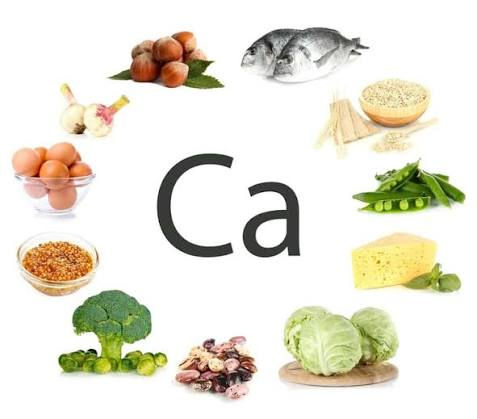
For individuals who do not consume enough calcium through diet or who are at increased risk for osteoporosis, supplementation may be appropriate. The choice between calcium carbonate, calcium citrate, or MCHA should be individualized based on dietary intake, digestive health, kidney stone history, medication use, and overall fracture risk. A comprehensive plan that supports both bone density and bone quality throughout life is ideal
The Bigger Picture: Building Healthy Bone
Whether calcium comes from food or supplements, it works best when combined with:
Adequate dietary protein to build the collagen framework of bone
Adequate calorie and protein intake to preserve muscle mass and prevent sarcopenia
Resistance and weight-bearing exercise to stimulate osteoblast activity
Healthy estrogen and testosterone levels when clinically appropriate
Vitamin D to improve calcium absorption
Vitamin K2 to help direct calcium into bone
Magnesium, phosphorus, zinc, copper, boron, and manganese to support bone metabolism
Vitamin D (with K2)
Vitamin D, preferably D3, enhances intestinal calcium absorption and supports normal bone remodeling. Deficiency is common, particularly in older adults and individuals with limited sun exposure.
Testing vitamin D levels may help determine whether supplementation is appropriate.
Vitamin K2
Vitamin K2 helps activate proteins that direct calcium into bones rather than soft tissues. Although research continues to evolve, emerging evidence suggests it may complement calcium and vitamin D in supporting bone health.
Potential K2 Benefits
Stronger Bones: K2 activates osteocalcin, a protein that binds calcium into the bone matrix, which increases density and lowers fracture risk.
Cardiovascular Protection: K2 activates Matrix GLA Protein (MGP), which inhibits calcium deposits in blood vessels, reducing arterial stiffness.
Mitigated D3 Risks: Without sufficient K2, high doses of D3 may lead to excess calcium circulating in the blood, potentially contributing to soft tissue calcification.
Magnesium and Trace Minerals
Magnesium, phosphorus, zinc, copper, boron, and manganese all contribute to healthy bone formation and mineralization.
A nutrient-dense diet rich in vegetables, fruits, nuts, seeds, legumes, lean proteins, and whole grains naturally provides many of these essential nutrients.

No supplement can compensate for poor nutrition, physical inactivity, smoking, excessive alcohol intake, or untreated hormonal deficiencies.
It is important to recognize that calcium alone cannot build healthy bone. Bone is a living tissue that requires a coordinated supply of nutrients, hormones, and mechanical loading through exercise.
Hormones: The Hidden Regulators of Bone and Muscle Health
Nutrition and exercise are essential for healthy bones, but hormones provide the biological signals that determine whether your body builds or loses bone and muscle. Throughout life, estrogen, progesterone, and testosterone work together to regulate bone remodeling, preserve muscle mass, and reduce the risk of fractures. As these hormone levels decline with age, bone loss and muscle loss often accelerate simultaneously.

Estrogen is one of the most important hormones for maintaining skeletal health in both women and men. It helps regulate the normal balance between osteoclasts, which remove old bone, and osteoblasts, which build new bone.
When estrogen levels decline—most notably during menopause—osteoclast activity increases dramatically, causing bone to be broken down faster than it can be replaced. Women can lose up to 10–20% of their bone mass during the first five to seven years after menopause, making this one of the most rapid periods of bone loss in life. This is why osteoporosis becomes significantly more common after menopause.
Estrogen also helps:
Preserve the trabecular (spongy) bone inside the spine and hips
Reduce inflammation that accelerates bone breakdown
Support collagen production and bone quality
Maintain muscle mass and balance, lowering the risk of falls
Progesterone: Supporting Bone Formation
Although progesterone receives far less attention than estrogen, it also contributes to healthy bone remodeling.
Research suggests progesterone may stimulate osteoblast activity—the cells responsible for building new bone—and support the formation of the collagen matrix that provides bone with flexibility and strength.
During the reproductive years, estrogen and progesterone work together to maintain a healthy balance between bone formation and bone resorption. As progesterone production declines during perimenopause and menopause, this balance may shift further toward bone loss.
While estrogen has the strongest evidence for preserving bone mineral density, maintaining normal progesterone levels may also support optimal bone quality when clinically appropriate.
Progesterone is commonly prescribed alongside estrogen for women receiving hormone replacement therapy for menopausal symptoms who still have their uterus. It is generally prescribed to prevent the thickening of the uterine lining (endometrium), which could lead to endometrial cancer.
For women who are menopausal or have experience surgically induced menopause due to a "total hysterectomy" (removal of the uterus and ovaries), it is standard practice to manage menopausal hormone replacement using estrogen only therapy. Clearly, progesterone has a more significant role beyond just protecting the uterus and bone health is one of the many benefits.
Testosterone: Building Bone and Preserving Muscle
Testosterone plays a critical role in both men and women, although levels are much higher in men.

Testosterone -in men and women-promotes:
Increased bone formation
Greater bone mineral density
Preservation of cortical bone thickness
Increased muscle mass and strength
Improved balance and physical function
Some testosterone is naturally converted into estrogen through the enzyme aromatase. This conversion is important because much of testosterone's protective effect on bone occurs through its conversion to estrogen.
As testosterone declines with age, men also experience gradual losses in both bone density and lean muscle mass, increasing the risk of osteoporosis, frailty, falls, and fractures.

Hormones represent only one piece of the bone health puzzle. The strongest bones are built and maintained through the combined effects of:
Adequate dietary protein to support collagen formation and muscle maintenance
Calcium, vitamin D, magnesium, vitamin K, and other essential minerals
Regular resistance and weight-bearing exercise
Healthy body composition and preservation of lean muscle mass
Quality sleep and stress management
Smoking cessation and moderation of alcohol intake
Evaluation and treatment of hormone deficiencies when clinically appropriate
Bone and Muscle Age Together
Bone and muscle are closely connected. Healthy muscles place mechanical stress on bones, stimulating osteoblasts to build stronger bone. Likewise, strong bones provide the structural support needed for muscles to function effectively.
When hormone levels decline, many adults experience both osteoporosis and sarcopenia, the age-related loss of muscle mass, strength, and function. This combination, known as osteosarcopenia, substantially increases the risk of falls, fractures, disability, hospitalization, and loss of independence.
Maintaining healthy muscle mass through adequate protein intake, resistance training, regular physical activity, and correction of nutritional deficiencies remains one of the most effective ways to preserve both bone and functional mobility.
Beneficial activities include:
Weight lifting
Resistance bands
Body-weight exercises
Walking
Hiking
Stair climbing
Tennis and pickleball
Dancing
Tai Chi and balance training
Aim for strength training at least three days a week along with regular weight-bearing aerobic activity.

A Comprehensive Approach to Healthy Aging
It’s important to recognize that healthy aging involves more than treating osteoporosis after it develops. By evaluating nutrition, lifestyle, muscle health, hormone status, and other risk factors, we can preserve bone strength, reduce fracture risk, and help maintain mobility, independence, and vitality throughout life.
When Is Medication Appropriate?
Lifestyle modification forms the foundation of osteoporosis prevention and treatment. However, medications may be appropriate for individuals at high fracture risk or those with established osteoporosis.
Treatment options include:
Bisphosphonates (alendronate, risedronate, ibandronate, zoledronic acid)
Denosumab
Anabolic therapies such as teriparatide, abaloparatide, and romosozumab for severe osteoporosis
Medication selection should be individualized based on bone density, fracture history, FRAX score, kidney function, age, and patient preferences.
The Bottom Line
Bone health is built over a lifetime—not just after retirement.
Every nutritious meal, every resistance workout, every walk, and every healthy lifestyle choice contributes to stronger bones. Likewise, every opportunity to optimize protein intake, maintain muscle mass, ensure adequate vitamin D, and participate in regular weight-bearing exercise helps reduce fracture risk as we age.
Here's a more polished version with improved flow and a stronger concluding message for your blog.
Preserving bone health requires looking beyond a single number on a bone density scan. True bone strength depends on a comprehensive approach that supports both bone density and bone quality through optimal nutrition, preservation of muscle mass, hormonal balance, regular physical activity, management of chronic medical conditions, appropriate medication use, and healthy lifestyle habits.
Prevention is always more effective than treatment. Through comprehensive risk assessment, personalized nutrition counseling, lifestyle medicine, hormone evaluation when appropriate, and evidence-based recommendations, we partner with patients to build stronger bones, reduce fracture risk, and preserve mobility, independence, and overall health throughout every stage of life.
If you've never had a bone density screening—or if you're concerned about your bone health—talk with your healthcare provider. The best time to build stronger bones was years ago. The second-best time is today.
References
American Association of Clinical Endocrinology, American College of Endocrinology. Clinical Practice Guidelines for the Diagnosis and Treatment of Postmenopausal Osteoporosis—2020 Update. Endocr Pract. 2020;26(Suppl 1):1-46.
American Association of Clinical Endocrinology, American College of Endocrinology. Camacho PM, Petak SM, Binkley N, et al. American Association of Clinical Endocrinology/American College of Endocrinology Clinical Practice Guidelines for the Diagnosis and Treatment of Postmenopausal Osteoporosis—2020 Update. Endocr Pract. 2020;26(Suppl 1):1-46.
Bilezikian JP, ed. Primer on the Metabolic Bone Diseases and Disorders of Mineral Metabolism. 10th ed. Hoboken, NJ: John Wiley & Sons; 2024. Published on behalf of the American Society for Bone and Mineral Research.
Bone Health and Osteoporosis Foundation. Clinician's Guide to Prevention and Treatment of Osteoporosis. Osteoporos Int. 2022;33:2049-2102.
Bone Health and Osteoporosis Foundation. Shoback D, Rosen CJ, Black DM, et al. The Clinician's Guide to Prevention and Treatment of Osteoporosis. Osteoporos Int. 2022;33(10):2049-2102.
Bonjour JP. Dietary protein: An essential nutrient for bone health. J Am Coll Nutr. 2005;24(6 Suppl):526S-536S.
Compston JE, McClung MR, Leslie WD. Osteoporosis. Lancet. 2019;393:364-376.
Cosman F, de Beur SJ, LeBoff MS, et al. Clinician's Guide to Prevention and Treatment of Osteoporosis. Osteoporos Int. 2022.
Daly RM, Iuliano S, Fyfe JJ, et al. The role of resistance exercise and nutrition in maintaining bone and muscle health during aging. Nutrients. 2023;15:1200.
Eastell R, Rosen CJ, Black DM, et al. Pharmacological management of osteoporosis in postmenopausal women: An Endocrine Society guideline update. J Clin Endocrinol Metab. 2020.
Endocrine Society. Pharmacological Management of Osteoporosis in Postmenopausal Women: An Endocrine Society Clinical Practice Guideline. J Clin Endocrinol Metab. 2020;105(3):587-594.
International Osteoporosis Foundation. Osteoporosis and Bone Health Resources. Available through the International Osteoporosis Foundation.
Kanis JA, Harvey NC, Johansson H, et al. A decade of FRAX®: How has it changed the management of osteoporosis? Aging Clin Exp Res. 2020;32:1873-1880.
Khosla S, Oursler MJ, Monroe DG. Estrogen and the skeleton. Trends Endocrinol Metab. 2012;23:576-581.
Leslie WD, Krieg MA, Hans D. Clinical utility of Trabecular Bone Score (TBS) in osteoporosis assessment and fracture prediction. Osteoporos Int. 2021.
Melmed S, Auchus RJ, Goldfine AB, Koenig RJ, Rosen CJ, eds. Williams Textbook of Endocrinology. 15th ed. Philadelphia, PA: Elsevier; 2024.
National Institute of Arthritis and Musculoskeletal and Skin Diseases. Osteoporosis Overview. National Institutes of Health.
National Institutes of Health. Osteoporosis Prevention, Diagnosis, and Therapy. NIH Consensus Development Conference Statement.
Rizzoli R, Reginster JY, Arnal JF, et al. Quality of life in sarcopenia and osteoporosis: The concept of osteosarcopenia. Osteoporos Int. 2021.
Rizzoli R. Nutritional aspects of bone health. Best Pract Res Clin Endocrinol Metab. 2014;28:795-808.
Rosen CJ. The epidemiology and pathogenesis of osteoporosis. In: Williams Textbook of Endocrinology. 14th ed. Elsevier; 2020.
Ross AC, Caballero B, Cousins RJ, Tucker KL, Ziegler TR, eds. Modern Nutrition in Health and Disease. 12th ed. Philadelphia, PA: Wolters Kluwer/Lippincott Williams & Wilkins; 2014.
Shuhart CR, Yeap SS, Anderson PA, et al. Executive Summary of the ISCD Official Positions—Adult and Pediatric. J Clin Densitom. 2019.
U.S. Preventive Services Task Force. Screening for osteoporosis to prevent fractures: US Preventive Services Task Force recommendation statement. JAMA. 2025;333(4):350-359.
U.S. Preventive Services Task Force. Screening for osteoporosis to prevent fractures: US Preventive Services Task Force recommendation statement. JAMA. 2025;333(4):350-359.
Weaver CM, Gordon CM, Janz KF, et al. The National Osteoporosis Foundation's position statement on peak bone mass development and lifestyle factors. Osteoporos Int. 2016;27:1281-1386.


